Washington State BAC Laws Fines and Consequences
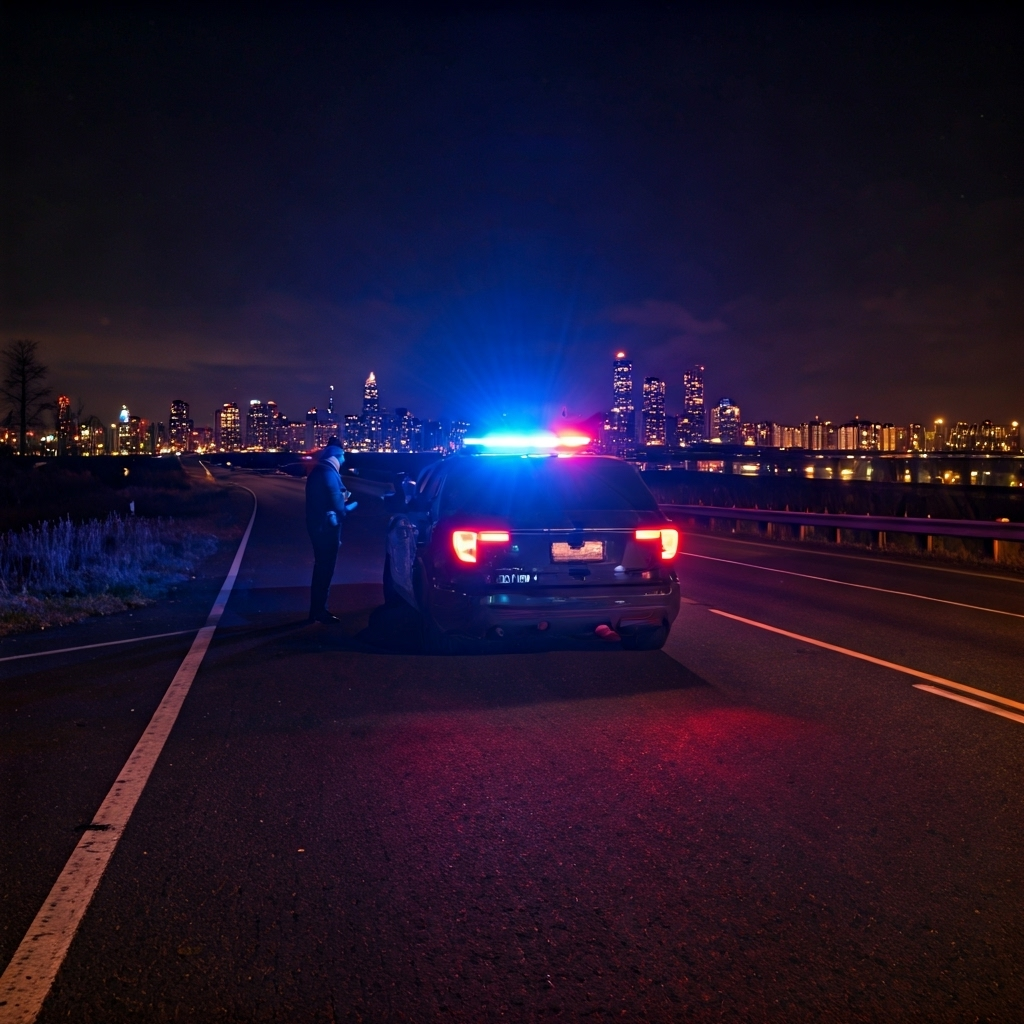
Key Highlights
- Washington State enforces strict DUI laws with specific blood alcohol content (BAC) limits for adult, underage, and commercial drivers.
- The general DUI alcohol threshold is 0.08 within two hours of driving. Impairment can support a charge at lower concentrations. Washington has a separate under-21 consuming offense.
- Washington’s DUI alcohol thresholds are based on breath or blood analysis under state law.
- Penalties for exceeding BAC limits range from fines and license suspensions to imprisonment and ignition interlock device installations.
- DUI convictions can have long-term effects, including impacts on employment, auto insurance costs, and criminal records.
- Repeat DUI offenders face escalating legal consequences and may encounter felony charges under specific circumstances.
Introduction
Washington DUI law distinguishes the general DUI offense from the under-21 consuming offense and commercial-driver licensing rules. The charge, test result or refusal, driving history, and evidence affect the court case and any separate DOL action. We can review the allegation and explain the applicable defenses and consequences.
Blood Alcohol Content (BAC) Laws in Washington State
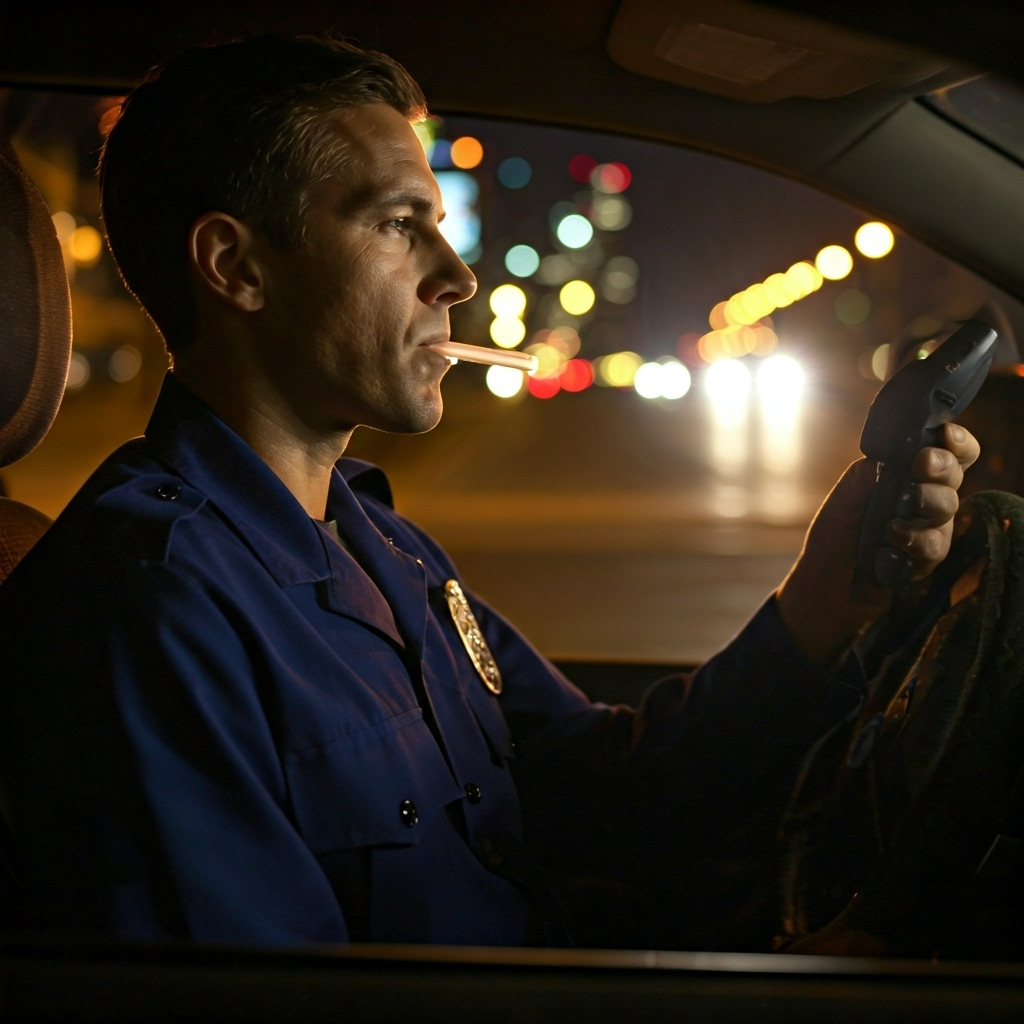 Washington’s per se DUI alcohol threshold is 0.08 or higher within two hours of driving. Impairment can support a DUI allegation below that concentration. Commercial-vehicle alcohol rules and the under-21 consuming offense are separate and have different consequences.
What Constitutes Legal and Illegal BAC Levels
Commercial-vehicle alcohol rules are separate. RCW 46.25.110 prohibits operating a commercial motor vehicle with alcohol or THC in the driver’s system, and an alcohol concentration of 0.04 or higher in a commercial motor vehicle can trigger CDL-disqualification rules under RCW 46.25.090. Those rules do not replace the DUI offense, which can be established at 0.08 or higher or by impairment.
A driver under 21 with an alcohol concentration of at least 0.02 but below 0.08 within two hours of driving may face the separate consuming offense under RCW 46.61.503. DUI under RCW 46.61.502 remains possible when its own elements are met, including impairment.
A DUI charge can be based on impairment below 0.08. Officers may use field sobriety tests, observations, and other evidence when investigating impairment.
Zero Tolerance Laws for Underage Drivers
The label “zero tolerance” does not mean every underage driver faces the same charge or sentence. The under-21 consuming offense is distinct from DUI. The charged offense, evidence, record, and circumstances determine the applicable consequences.
A conviction for underage DUI or the separate under-21 consuming offense can have licensing consequences. The applicable offense, prior history, and any separate DOL action matter.
The under-21 consuming offense under RCW 46.61.503 is distinct from DUI under RCW 46.61.502. Penalties depend on the charged offense, age, record, and case. This can include fines, probation, or having to join alcohol awareness programs. By using such strict rules, the state is working to keep the roads safe for all, including young drivers and other people who use the road.
Methods of BAC Testing in Washington
Law enforcement in Washington uses different ways to find out a driver’s alcohol concentration. They often use breath tests and blood tests. These tests check how much alcohol is in your system. They also help a lot in deciding about DUI charges.
Breath analysis measures alcohol in a breath sample. Blood analysis measures alcohol in a blood sample. The testing procedure and the handling of any sample matter when evaluating the evidence.
Breathalyzer and Blood Tests Explained
A breath-testing instrument measures alcohol concentration in a breath sample. Washington requires approved testing methods and has rules for admitting breath-test results.
A blood test requires a blood sample for laboratory analysis. How the sample was lawfully obtained, collected, preserved, and analyzed can matter in court.
Both of these BAC methods, along with field sobriety tests and checking for probable cause, help law enforcement decide if someone should be charged with a DUI. Making sure to check the results the right way helps keep the outcome fair.
Implied Consent and Refusing a BAC Test
Washington’s implied-consent breath-test process follows an arrest and required warnings. A driver may refuse the evidentiary breath test, but refusal can cause license revocation and may be used in a criminal trial. Blood testing requires separate lawful authority.
DOL can take administrative action even without a criminal conviction. A first refusal within seven years carries a one-year revocation or denial if no earlier incident in that period resulted in administrative action under RCW 46.20.3101. Prior incidents can change the period. Check the DOL notice for the applicable period and hearing deadline.
An evidentiary breath-test refusal after the required warnings can be used as evidence in a criminal trial. The facts surrounding the request and refusal can matter in both proceedings.
Fines and Penalties for Exceeding BAC Limits
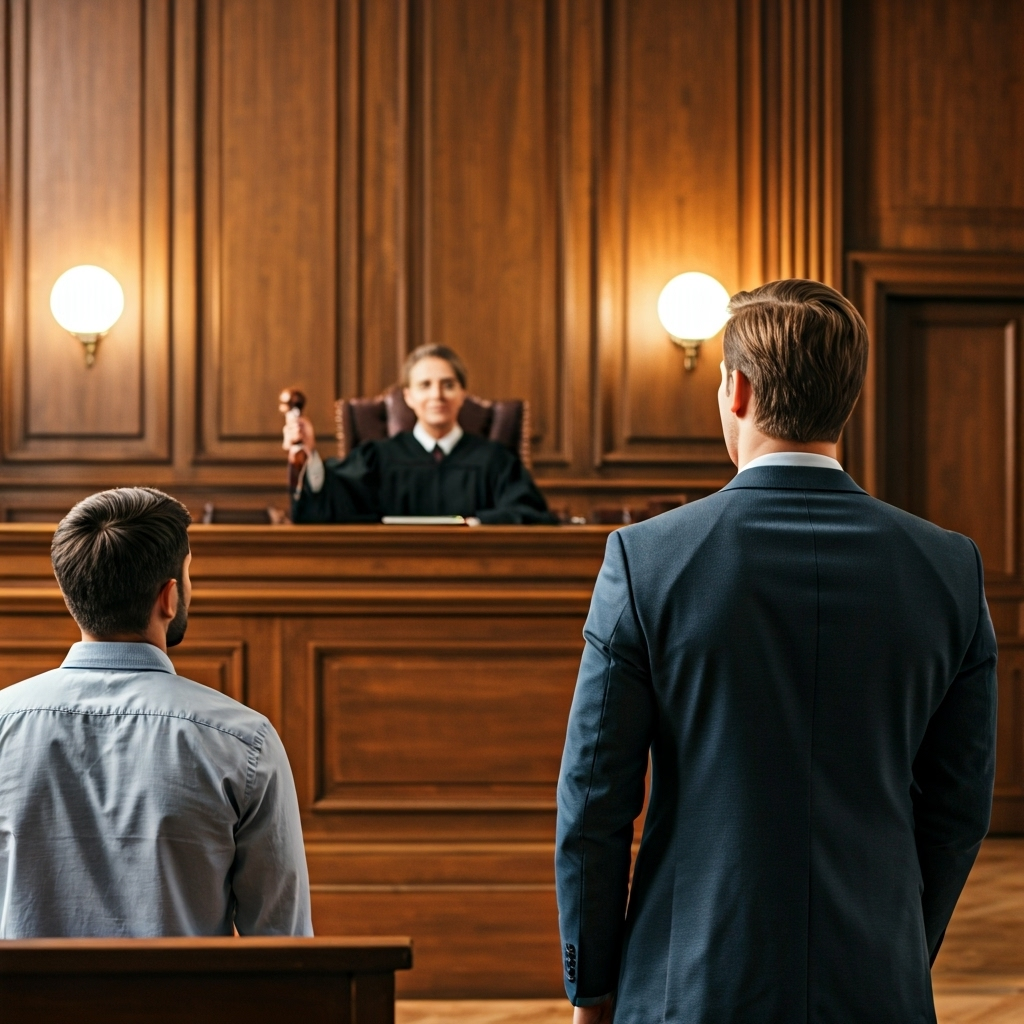 The offense charged determines the possible penalties. DUI is generally a gross misdemeanor, but qualifying prior history can make it a felony. The separate under-21 consuming offense is a misdemeanor; CDL-disqualification rules involve a separate licensing analysis.
The misdemeanor sentencing category depends on qualifying prior offenses, the alcohol test result or refusal, and any applicable enhancements. Statutory alternatives or exceptions can affect the sentence.
First-Time Offenders: Fines and Jail Time
The table summarizes ordinary misdemeanor DUI jail and fine rules when there are no qualifying prior offenses within seven years. Statutory alternatives, assessments, indigency findings, and enhancements may affect the result.
| Criteria | Penalty |
|---|---|
| Below 0.15%, or no result for reasons other than refusal | 24 consecutive hours to 364 days in jail; statutory base fine of $350 to $5,000. Statutory alternatives and assessments may apply. |
| BAC 0.15% or higher | 48 consecutive hours to 364 days in jail; statutory base fine of $500 to $5,000. Statutory alternatives and assessments may apply. |
| Refusal to Test | A refusal under RCW 46.20.308 that leaves no alcohol test result uses the 0.15% or higher jail and fine category. With no qualifying prior offense within seven years, a conviction carries a two-year license revocation or denial. Credit for time served under DOL action from the same incident may apply. |
These are the consequences. The rules are strict in this state, and you must follow Washington’s BAC laws to avoid these penalties like jail time, electronic home monitoring, or even a license suspension even for a first offense.
Repeat Offenses: Escalating Consequences
If you have a DUI in your past, the penalties get worse the next time. A second DUI can lead to longer jail time, bigger fines, and a longer license suspension.
Two qualifying priors within seven years can place a case in a higher misdemeanor category. Three qualifying priors within 15 years, or certain serious prior convictions, can make the current DUI a felony.
The punishment gets even harder for people who have more than one DUI and were involved in things like accidents. This shows that the state has no tolerance for unsafe driving. The law is strict about keeping people safe on the road.
Other Consequences of High BAC in Washington
Other than fines and jail time, going over the BAC limit brings more problems. People who get a DUI often have their license taken away by the Department of Licensing. There is a long and hard process to get the license back.
Also, you may have to put an ignition interlock device in your car to stop more trouble from happening. This device checks your BAC level before you can drive. It adds more things for you to do if you get a DUI.
License Suspension and Ignition Interlock Devices
DOL action depends on the legal basis for the suspension, revocation, or denial. A test result or refusal can lead to an administrative action, and a conviction has separate licensing rules. Review the DOL notice for the applicable dates and requirements.
An ignition interlock device measures breath alcohol and prevents the vehicle from starting when the sample reaches the applicable set point. The restriction and costs depend on the case; eligible drivers may qualify for financial assistance.
These steps help stop people from doing these offenses again and make the roads safer for everyone.
Impact on Employment, Insurance, and Criminal Record
A DUI conviction does not just mean you face legal trouble. It can change many parts of your life:
- Employment: A DUI conviction may affect employment, especially if the job requires driving or a professional license.
- Insurance: A DUI conviction may affect premiums or eligibility. The effect depends on the insurer, policy, and driving history.
- Criminal Record: A conviction can appear on an authorized background check. What is reported depends on the type of check and the applicable rules.
- Travel Restrictions: A DUI conviction may make a person inadmissible to Canada. Canadian authorities describe limited options for temporary entry or rehabilitation; eligibility depends on the case.
All of these long-lasting problems show why you need to know and follow Washington’s laws.
Conclusion
Washington can prosecute DUI based on impairment or a qualifying test result. A conviction and a separate DOL action can have different consequences. For a driver under 21, a separate consuming offense may apply.
It helps to know how BAC is tested and what can happen if you say no to a test. This way, you can make better choices that take care of you and your future. If you want to know more, have questions about BAC laws, or need help with your case, please reach out.
Frequently Asked Questions
What is Washington’s general DUI alcohol threshold?
Washington’s per se DUI alcohol threshold is 0.08 or higher within two hours of driving. DUI can also be based on impairment below that concentration. Commercial-driver and under-21 rules address separate offenses or licensing consequences.
How long does a DUI conviction stay on my record in Washington?
A Washington DUI conviction is generally ineligible for vacation under RCW 9.96.060. DOL lists alcohol-related convictions as lifetime driving-record entries. What appears in a particular background check or authorized record depends on the applicable access and reporting rules.
Can I refuse a breathalyzer test in Washington?
A driver may refuse an evidentiary breath test after the implied-consent warnings. Refusal can trigger administrative license revocation and may be used in a criminal trial. The DOL notice identifies the period, effective date, and hearing deadline.
What are the penalties for underage DUI in Washington?
RCW 46.61.503 makes the under-21 consuming offense a misdemeanor when its statutory thresholds are met. A separate DUI charge under RCW 46.61.502 may apply based on impairment or the per se thresholds. Fines, licensing consequences, and other conditions depend on the offense and case; there is no uniform sentence.
Are there alternative sentencing options for DUI offenders?
Yes, in DUI cases, there are other types of sentences. Some people may get electronic home monitoring or be put in alcohol treatment programs. It’s a good idea to talk to a qualified attorney. The attorney can help you look at these options and make sure they work with what is good for you and what the legal system allows.
Call Now or fill out our form for a same-day response:
About the Author