Bicycle Safety Around Speed Bumps in Washington
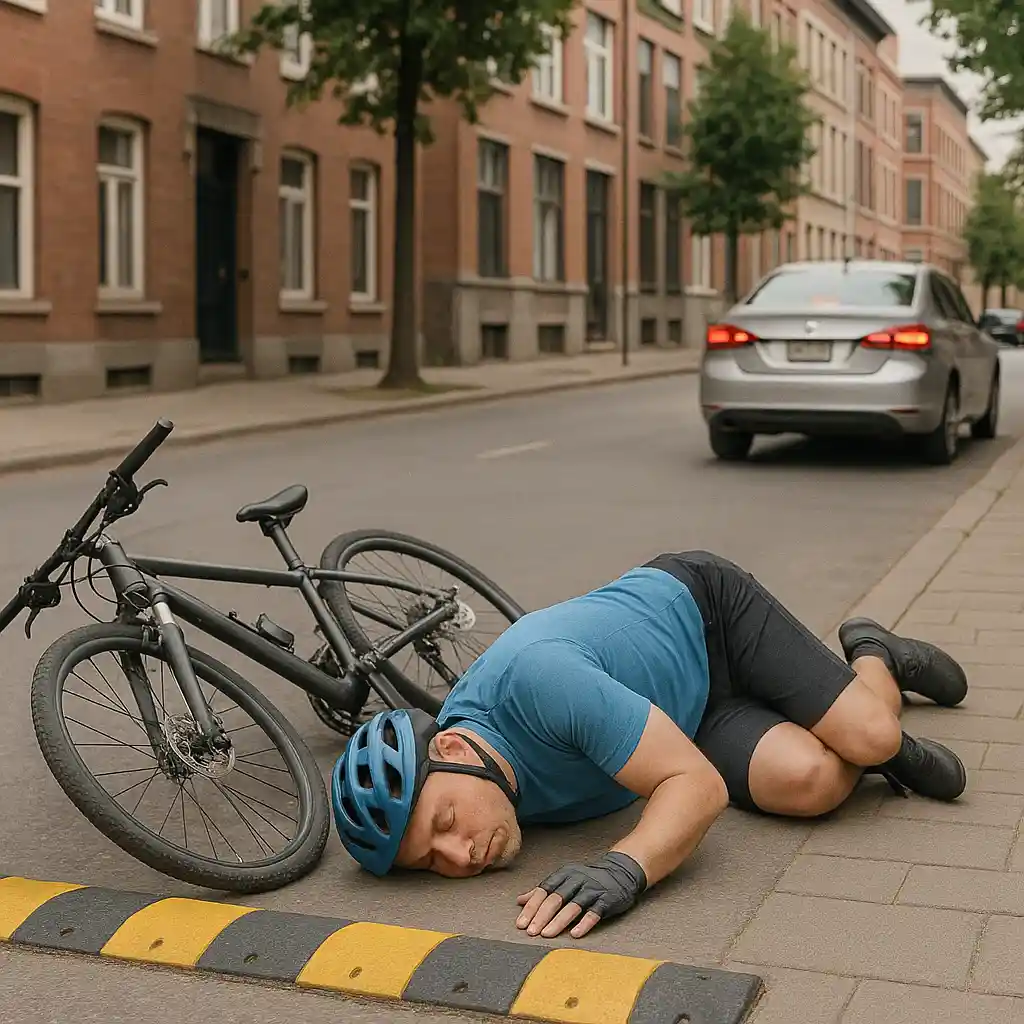
Speed bumps and other traffic-calming treatments are intended to slow vehicles. Their design and condition also matter to people riding bicycles. After a crash, the location, road surface, visibility, and actions of those involved need individual review.
Traffic calming can make streets more comfortable for cyclists by reducing motor-vehicle speeds. A particular treatment can also raise safety questions if its placement, condition, or visibility creates an unexpected obstacle. Understanding the design and the actual crash evidence is more useful than assuming every speed bump is dangerous or every bicycle crash has the same cause.
Key Takeaway
- Speed bumps reduce vehicle speed but can increase cyclist fall risk if poorly designed or avoided abruptly.
- A bicycle crash can involve a motor vehicle, a fall, or a road hazard; the cause requires case-specific evidence.
- Better bicycle safety infrastructure and thoughtful speed bump placement are critical to reducing cyclist injury and death.
The Double-Edged Sword of Speed Bumps for Cyclists
Speed humps, cushions, and tables are different treatments rather than interchangeable designs. The Federal Highway Administration describes their use to moderate vehicle speeds and identifies design issues that should be evaluated for the setting. A general crash-reduction figure does not establish how a particular treatment affected a cyclist. (1)
The Mechanics Behind the Hazard
When a cyclist approaches a speed bump, they face a choice: slow down and ride over it carefully or swerve around it. An abrupt avoidance maneuver can create a risk of a fall or collision, depending on traffic and surface conditions. The abrupt steering changes required to avoid speed bumps increase the risk of losing balance, especially at higher speeds or on wet or uneven surfaces.
Even riding over a speed bump can be risky if the design is not bicycle-friendly. Sharp edges, steep inclines, or poorly marked bumps can cause the front wheel to catch or the rider to be jolted off balance. This is particularly dangerous for less experienced cyclists or those riding heavier bikes.
What Safety Data Can and Cannot Show
General bicycle-crash statistics do not establish a fatality rate for speed-bump avoidance. Broader bicycle-safety data show that cyclists remain vulnerable in traffic crashes, but those figures should not be treated as proof that speed bumps caused particular fatalities. (2) The cited 2022 figures provide historical context; speed-bump design and placement should be evaluated using site-specific engineering and crash evidence.
The Federal Highway Administration recommends considering bicycle access when selecting traffic-calming measures. Its guidance discusses bicycle pass-throughs and accommodations around vertical or horizontal deflections. The appropriate treatment depends on the street and its users; a site-specific concern should be assessed using the actual road conditions. (3)
How Road Safety Measures Can Backfire
Traffic calming devices, including speed bumps, are intended to protect vulnerable road users, but when they are not designed with cyclists in mind, they can create new dangers.
Design Flaws and Placement Issues
Review whether the treatment’s design accommodates cyclists. For example, bumps with abrupt edges or insufficient length force cyclists to slow dramatically or risk a harsh impact. Inadequate signage or poor visibility of these devices can catch cyclists off guard, especially at night or in bad weather.
Placement is another critical factor. The available route through or around a treatment depends on its design and the surrounding street.
The Role of Traffic Speed and Vehicle Size
Higher vehicle speeds increase crash severity for cyclists. Speed bumps reduce vehicle speed, which is beneficial overall. But if cyclists must suddenly avoid a bump, the risk of falling or colliding with a motor vehicle rises. Larger vehicles, which take up more road space, leave less room for cyclists to maneuver safely around speed bumps.
Cyclist Behavior and Avoidance Maneuvers
Abrupt steering or braking can affect a cyclist’s control. These maneuvers can lead to loss of control, especially if the cyclist is inexperienced or riding in poor conditions. Sudden braking may cause rear-end collisions with following vehicles, while swerving can put cyclists into the path of oncoming traffic.
Improving Bicycle Safety Infrastructure Around Speed Bumps
To reduce cyclist injury and fatality risk, road safety measures need to be adapted to better accommodate cyclists.
Bike-Friendly Speed Bump Designs
Some communities have experimented with speed bumps designed specifically for bicycles. These might include:
- Rounded or elongated bumps that reduce jarring impacts.
- Gaps or channels allowing cyclists to pass smoothly without swerving.
- Clear markings and warning signs visible to cyclists and drivers alike.
Such designs maintain the traffic calming benefits while minimizing hazards for cyclists.
Enhanced Signage and Lighting
Warning signs placed well before speed bumps give cyclists time to prepare to slow down or adjust their path safely. Reflective paint and lighting improve visibility at night, reducing surprise encounters.
Protected Bicycle Lanes and Alternative Traffic Calming
Where possible, protected bike lanes separated from vehicle lanes allow cyclists to avoid speed bumps altogether. Chicanes, curb extensions and raised crosswalks can moderate traffic, but each needs review for bicycle clearance, alignment and access.
Education and Awareness
Educating cyclists about the safest ways to approach speed bumps and encouraging drivers to respect cyclists’ space can reduce accidents. Awareness campaigns can highlight the risks of abrupt avoidance maneuvers and promote helmet use and defensive riding.
The Broader Context of Urban Cycling Dangers
Speed bumps are just one piece of the puzzle. Urban cycling involves multiple hazards:
- Motor-vehicle collisions can cause severe or fatal cyclist injuries.
- Poor road conditions, distracted or impaired driving, and inadequate lighting increase accident risk.
- Lack of consistent bicycle safety infrastructure leaves cyclists vulnerable.
Addressing these issues requires coordinated efforts between city planners, traffic engineers, law enforcement, and cycling advocates.
Practical Advice for Cyclists Facing Speed Bumps
Cyclists can take steps to reduce their risk when encountering speed bumps:
- Slow down well before the bump to maintain control.
- Slow before the treatment, use a marked bicycle bypass or cushion gap where provided and safe, and avoid abrupt movements into traffic.
- Use bike lanes or paths that avoid speed bumps when available.
- Wear a helmet and protective gear to reduce injury severity.
- Stay visible with lights and reflective clothing, especially at night.
- Be alert for traffic and road conditions around speed bumps.
FAQs
How common are bicycle crashes involving speed bumps?
General bicycle-crash totals do not establish how many crashes involved speed-bump avoidance. A reported incident needs its own location, records, and evidence. (4)
How can a speed bump affect a cyclist?
A raised surface can affect balance and comfort, particularly when its shape or condition is unexpected. FHWA guidance recognizes that design, approach speed, and bicycle accommodation matter. That does not establish that a particular speed bump caused an injury. (5)
Can traffic calming improve bicycle safety?
Traffic calming aims to reduce motor-vehicle speeds or volumes. Its value for cyclists depends on the treatment and setting, including how bicycle access is maintained. A design suitable for one street may not be appropriate for another.
What evidence matters after a bicycle crash?
Useful information may include the exact location, photographs, the road surface and markings, sight lines, vehicle movements, witness accounts, and available incident records. Keep the observations separate from assumptions about what caused the crash. An attorney can review the facts and discuss whether a legal claim may be available.
How can cities make traffic calming safer for cyclists?
Review the treatment in context: bicycle routes, crossings, visibility, drainage, maintenance, and surrounding traffic. WSDOT and FHWA design guidance can inform that assessment. The responsible road authority should evaluate site-specific concerns rather than relying on a generic safety claim.
How should bicycle-crash statistics be interpreted?
Check the year, location, population, and type of crash covered by a statistic. National totals or historical figures cannot prove that a particular street design caused a specific crash. Compare findings with the underlying report and the evidence from the location.
What should I do after witnessing a bicycle crash?
Call 911 if someone is injured or there is an immediate danger, follow the dispatcher’s instructions, and avoid putting yourself or others in traffic. If it is safe, note the location and provide factual observations to responders.
Does wearing a helmet replace safe road design?
A properly fitted helmet and visible riding equipment are important precautions. They do not replace safe vehicle operation, predictable riding, or appropriate road design. NHTSA provides guidance on helmet fit, visibility, and avoiding crashes.
Conclusion
The purpose of traffic calming is to reduce vehicle speeds while accommodating the people who use the street. Design, maintenance, visibility, and bicycle access deserve careful review after a crash. If you were injured in Washington, Ticket Cutter can review the facts and explain potential legal options. Call (425) 264-2000 to discuss your case.
References
FHWA: Traffic-Calming Treatments
League of American Bicyclists: Historical 2022 Fatality Context
Call Now or fill out our form for a same-day response:
About the Author