How to Fight a Distracted Driving Ticket in Washington
Key Highlights
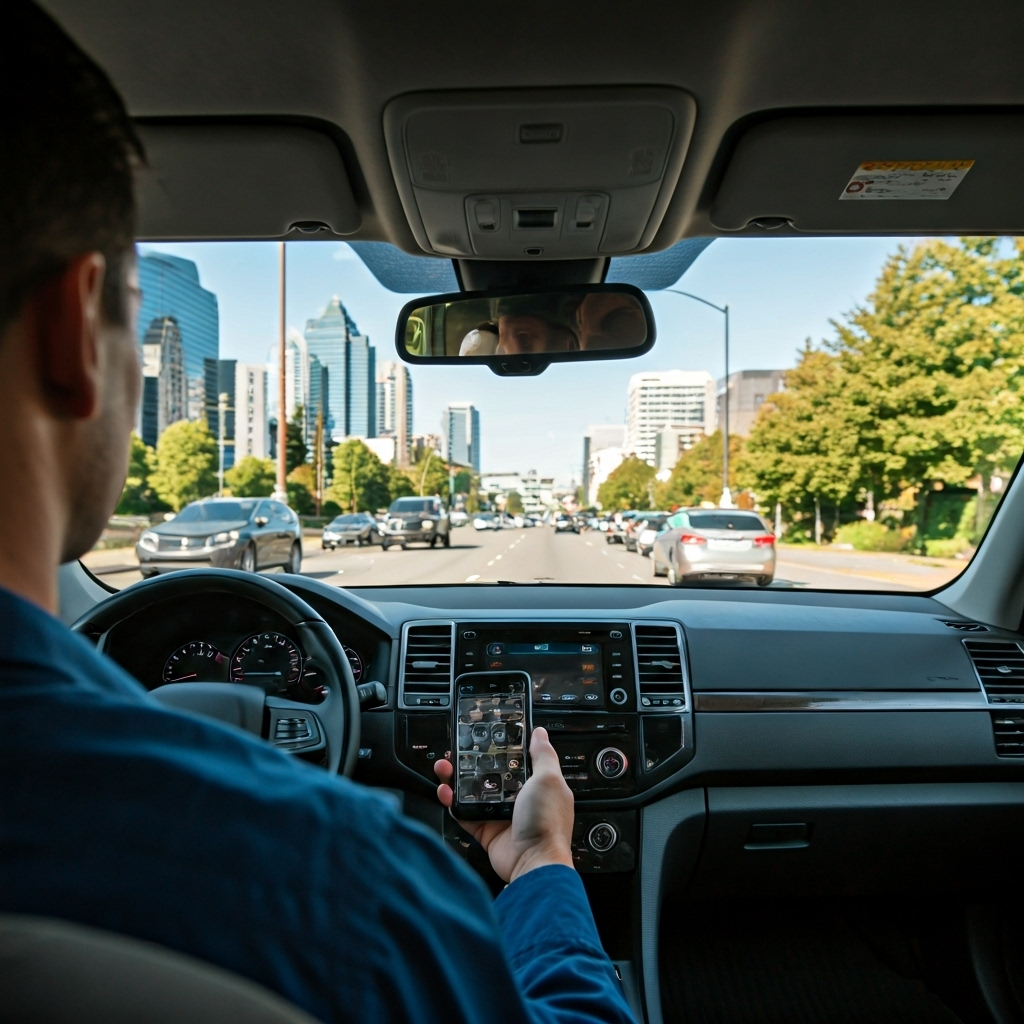
- RCW 46.61.672 restricts using a personal electronic device while driving, including while temporarily stopped in traffic or at a traffic-control device.
- Laws prohibit handheld electronic device use, including texting and typing, even while stopped at a red light.
- A committed infraction may appear on a driving record. Any insurance effect depends on the insurer, policy, record reviewed, and driving history.
- A driver may request a contested hearing and present relevant evidence to dispute whether the infraction was committed.
- A traffic attorney can review the citation and evidence, identify applicable exceptions or defenses, and represent the driver where permitted.
Introduction
Washington law restricts using a personal electronic device while driving, including while temporarily stationary because of traffic or a traffic-control device. RCW 46.61.672 permits hands-free use with minimal use of a finger to activate, deactivate, or initiate a function and contains specific exemptions. RCW 46.61.673 separately addresses dangerously distracted driving. Washington does not use a conventional demerit-points schedule; DOL applies offense-specific and violation-count rules.
Understanding Distracted Driving Laws in Washington State
RCW 46.61.672 generally prohibits holding a personal electronic device in either hand, using a hand or finger to compose or read messages, or watching video while driving. The statute defines “driving” to include temporary stops in traffic or at a traffic-control device.
The statute also defines permitted hands-free use and exemptions, including specified emergency communications and certain uses by emergency, transit, and commercial-vehicle personnel within the law’s conditions.
What Constitutes Distracted Driving?
Distraction can be visual, manual, or cognitive, but a citation still must satisfy the elements of the applicable statute. Phone use is addressed by RCW 46.61.672, while unrelated non-electronic activity may be addressed under RCW 46.61.673 only when it interferes with safe vehicle operation.
Distraction can be visual, manual, or cognitive. Washington’s electronic-device statute and its dangerously-distracted-driving provision have different elements, so the exact law printed on the citation matters.
Not every distraction creates the same infraction. Electronic-device use and dangerously distracted driving have different statutory elements, exemptions, and enforcement requirements.
Types of Electronic Device Restrictions While Driving
Washington’s distracted driving laws are there to lower the dangers that come from using an electronic device like a cell phone while driving. These laws say you can’t use most handheld devices when you drive, not even at red lights. Here is what you can and can’t do:
- Prohibited: You are not allowed to type, text, or look things up on a handheld electronic device or cell phone.
- Allowed: Hands-free calling, Bluetooth, or a voice command may be used within the statute’s limits, with only minimal finger use to activate, deactivate, or initiate a function.
- Prohibited: You can’t watch videos or use the camera on your phone while driving.
- Exemptions and exclusions: Two-way, citizens-band, and amateur radios are excluded from the statutory device definition. Separate, conditional exemptions apply to specified emergency, transit, and commercial-vehicle uses.
Hands-free use is permitted only within the statute’s limits. RCW 46.61.672 allows minimal use of a finger to activate, deactivate, or initiate a function, but extended manual interaction is not hands-free use.
Common Reasons Drivers Receive Distracted Driving Tickets
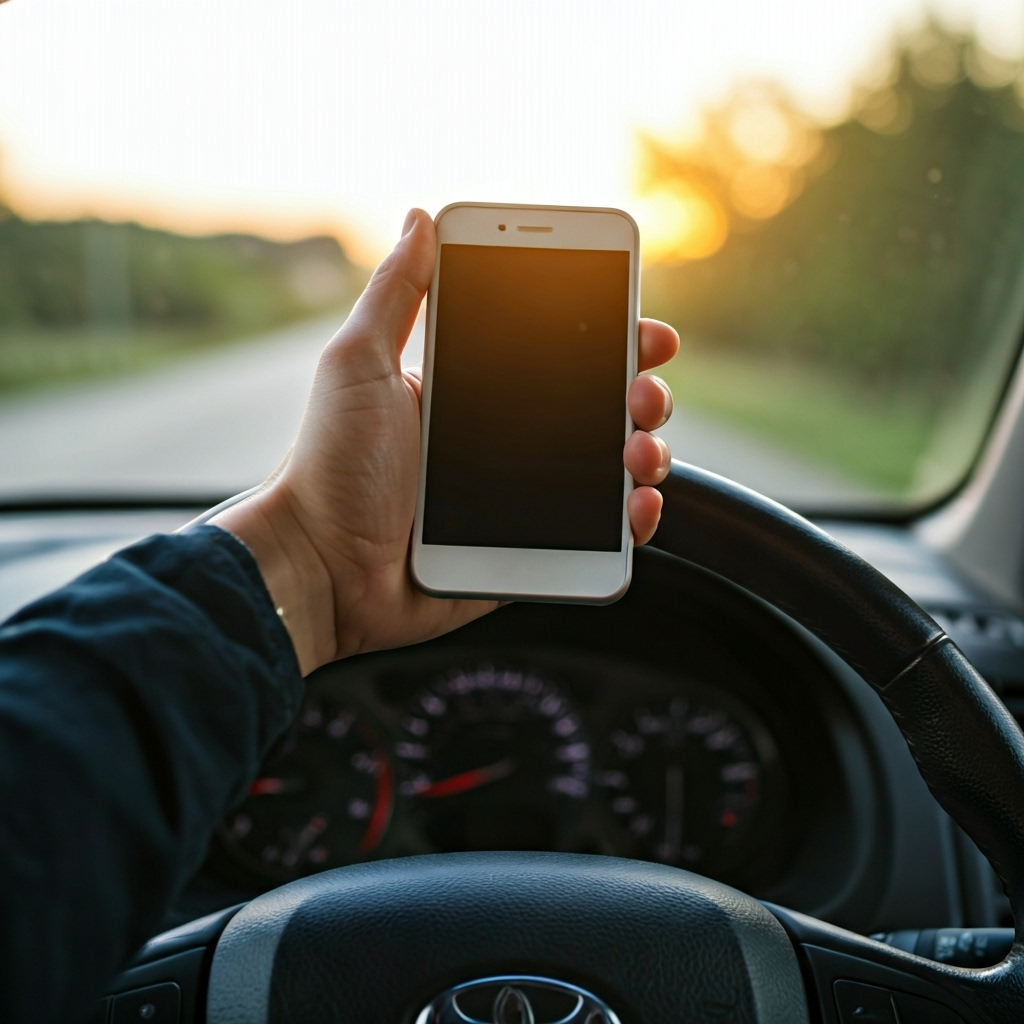 Personal-electronic-device citations may involve texting, calling, viewing content, or other prohibited use. Whether conduct violates the statute depends on the evidence and any applicable exemption.
GPS or music use can fall within RCW 46.61.672 when it involves prohibited personal-electronic-device use. Non-electronic conduct is evaluated separately under RCW 46.61.673 and must meet that statute’s requirements.
Use of Cell Phones and Texting
Texting, handheld calling, and viewing social media can violate Washington’s personal-electronic-device law. The statute also reaches specified device use while the vehicle is temporarily stopped for traffic or a traffic-control device.
Under the current statute, a driver may not use a prohibited handheld-device function even while stopped at a red light, because that temporary stop is included in the definition of driving.
Bluetooth or another hands-free system may be used within RCW 46.61.672. The legality of the conduct depends on how the device was used and whether a statutory exemption applies.
Other Distracting Behaviors Behind the Wheel
Non-electronic activity may be addressed under RCW 46.61.673 only when the statutory conditions are met. The activity must be unrelated to vehicle operation and interfere with the safe operation of the vehicle, and enforcement is secondary to detention for a separate traffic infraction.
- Eating or drinking while you steer the car.
- Smoking, which can make you pay less attention.
- Reaching for things while the car is moving.
- Being a lookout for distractions outside, like roadside ads.
RCW 46.61.673 is enforced as a secondary action after a driver is detained for a separate traffic infraction. The officer must have reasonable cause to believe an activity unrelated to vehicle operation interfered with the safe operation of the vehicle.
Penalties and Consequences of a Distracted Driving Ticket
A distracted-driving citation can carry a monetary penalty and may be reported on a Washington driving record. The exact consequences depend on the cited statute, disposition, prior history, and applicable record rules.
Before deciding whether to pay or contest the citation, review the statute listed, the officer’s allegations, and the court response options. Paying generally results in a committed finding.
Fines and Fees
RCW 46.61.672 ties the penalty to Washington’s current traffic-infraction schedule and doubles the penalty amount for a second or subsequent offense. Effective June 11, 2026, the statute also doubles the base penalty for an infraction committed within a crash prevention zone created under RCW 46.61.090; the total penalty, including statutory assessments, may not be waived, reduced, or suspended. Review the citation and current court schedule for the exact amount.
Here’s a quick table so you can see the fines:
| Offense | Fine Amount |
|---|---|
| First Distracted Driving | Amount set by the current Washington infraction schedule |
| Second Violation | Twice the applicable penalty amount under RCW 46.61.672 |
| Dangerously Distracted | Separate base penalty may apply under RCW 46.61.673 |
The outcome of a contested or mitigation hearing depends on the evidence, applicable law, and the court. No attorney or service can guarantee a reduction or dismissal.
Impact on Your Driving Record and Insurance
A committed distracted-driving infraction may be reported on your Washington driving record. Washington does not add points to a license. Any insurance effect depends on the insurer’s underwriting rules and the record it reviews.
An insurer may consider reported violations when evaluating risk, but there is no reliable statewide percentage increase for every driver or policy.
A timely response preserves the options printed on the citation. Evaluate those options based on the facts rather than assuming a particular insurance or court outcome.
Respond within 30 days after personal service or 33 days after the notice is mailed, using the method stated on the notice. A timely response preserves the available hearing options; it does not predict the result.
Immediate Steps to Take After Receiving a Ticket
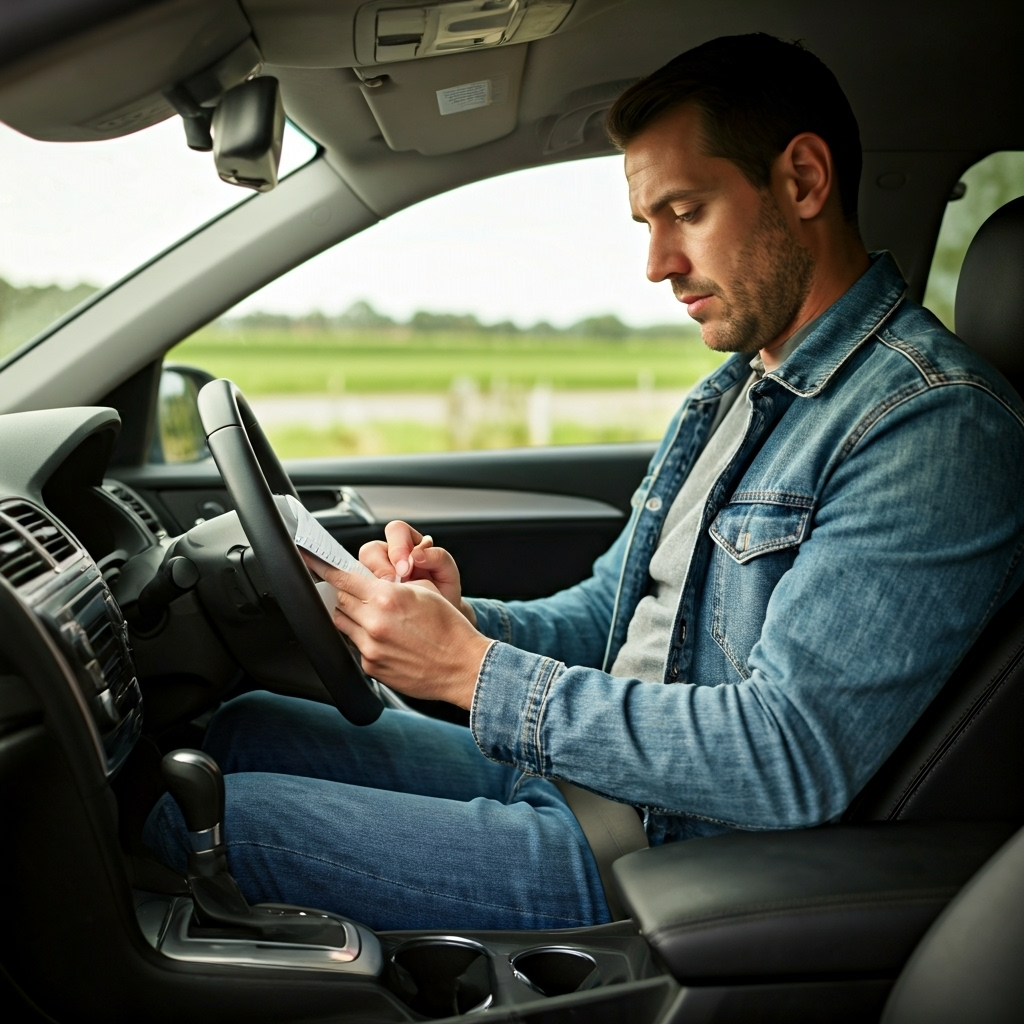 When you get a distracted driving ticket, the first thing to do is try to stay calm and think clearly. Make sure you write down what happened, the time and place, and the names of people who saw it, if there are any. You should review all details on the citation, such as the kind of infraction you are charged with. This can help you know what to do next. Keep a copy for your records, because this driving ticket may change your driving record and could affect your insurance rates in the future, especially if you plan to fight the citation.
Document the Incident
After a driving ticket, you need to pay close attention to your surroundings. Get all the facts like the time, place, and what was happening when you got a distracted driving ticket. Write down anything that was a distraction, like emergency services or other cars that might have played a part. Make sure you note how you spoke with law enforcement. This helps make the situation clearer. Keeping a true and detailed record of what happened can be very important later if you want to fight the effect of the driving ticket on your driving record.
Review the Details on Your Citation
Review the date, time, location, cited statute, and officer’s description. Compare those details with any lawfully available phone records, photographs, video, or witness information that may clarify what occurred.
Legal Options for Contesting Your Ticket
A driver may pay the infraction, request mitigation, or request a contested hearing as allowed by the notice and Washington law. A contested hearing asks the court to decide whether the infraction was committed.
Pleading Not Guilty and Requesting a Hearing
Requesting a contested hearing asks the court to determine whether the infraction was committed. Washington law generally requires a response within 30 days after personal service or 33 days after mailing. Preserve relevant evidence and follow the instructions from the court named on the citation.
Gathering Evidence and Building Your Case
Preserve the citation and any lawfully available phone records, photographs, video, or witness information that bears on the alleged conduct. Relevant evidence may clarify device use, vehicle movement, or a claimed statutory exemption, but the court determines the weight of that evidence.
Working with a Traffic Ticket Attorney in Washington
A Washington traffic attorney can review the cited statute, request and examine available evidence, identify fact-specific defenses or exceptions, and represent the driver at a hearing where permitted.
How an Attorney Can Help Your Case
An attorney can compare the alleged conduct with the elements of RCW 46.61.672 or RCW 46.61.673, review the officer’s report, and present relevant evidence. The available strategy and outcome depend on the facts.
Choosing the Right Legal Representation
When choosing counsel, look for experience with Washington traffic infractions, familiarity with the issuing court, clear fee information, and candid advice about possible outcomes.
Conclusion
After a distracted-driving citation, respond by the stated deadline, preserve relevant evidence, and review the specific statute alleged. Legal help may be useful, but no result is guaranteed.
Frequently Asked Questions
Can I fight a distracted driving ticket without a lawyer?
A driver may represent themselves at a contested hearing. The driver must still follow court rules, meet deadlines, and present relevant evidence; an attorney can assist when the facts or consequences are complicated.
How does a distracted driving ticket affect my insurance rates?
A committed distracted-driving infraction may be considered by an insurer, but the effect is not uniform. It depends on the insurer’s underwriting rules, policy, driving history, and record reviewed.
Are there any defenses that work against distracted driving tickets in Washington?
Possible issues include whether the alleged conduct fits RCW 46.61.672, whether a statutory exemption applies, or whether the evidence supports the allegation. An emergency is relevant only if it falls within the statute’s defined exemption.
What if the officer did not see me using my phone?
An officer’s lack of direct observation may be relevant, but it does not automatically resolve the case. Review the officer’s report and any other admissible evidence before the contested hearing.
How long does a distracted driving ticket stay on my record in Washington?
Washington DOL states that most convictions and violations remain on a full driving record for five years, while an insurance driving record generally provides a three-year history. The effect on insurance or driving privileges depends on the disposition, driving history, and applicable law.
Call Now or USE contact form a for same-day response:



I recently had a frustrating traffic ticket that was stressing me out. I hired this lawyer and he handled everything quickly and professionally. He got the ticket resolved completely — no points, no fines! Super responsive and made the whole process easy. I highly recommend him to anyone needing help with tickets. Thank you! ⭐⭐⭐⭐⭐


Joseph and Samir were professional, responsive, and helped get my ticket dismissed. Thank you both for your hard work and outstanding support. Highly recommended!

What stood out most was that he did not treat my case like just another ticket. He took my circumstances into account, was empathetic, communicated clearly, and made the process simple and stress-free. His pricing was also very reasonable, especially considering the level of service and peace of mind he provided.
Joseph truly advocated for me and fought hard on my behalf. He handled everything efficiently, appeared for me, and got my ticket dismissed. I am extremely grateful for the outcome and for how professionally he handled the entire process.
I would highly recommend Joseph Cutter to anyone dealing with a traffic ticket. He is knowledgeable, dependable, fair, and truly committed to helping his clients get the best possible result!



Responsive, honest about my options, and saved me money on fines + insurance. Highly recommend!