What Is Negligent Driving 2nd Degree in Washington State?

Key Highlights
- Negligent driving 2nd degree in Washington State is a civil traffic infraction, not a criminal charge.
- It involves operating a motor vehicle negligently, failing to exercise ordinary care, and potentially endangering others.
- RCW 46.61.525 sets a $250 statutory penalty; record and insurance effects depend on the final disposition and authorized record.
- It’s distinct from negligent driving 1st degree, which carries harsher criminal penalties.
- An attorney can review the allegation, evidence, and hearing options without promising dismissal or a particular record result.
- A contested hearing disputes the infraction; a mitigation hearing accepts it while asking the court to consider the circumstances.
Introduction
Under RCW 46.61.525, negligent driving in the second degree is a traffic infraction, not a crime. The statute requires negligent operation of a motor vehicle that endangers or is likely to endanger a person or property. “Negligent” means failing to exercise ordinary care under the circumstances.
Definition of Negligent Driving 2nd Degree in Washington State
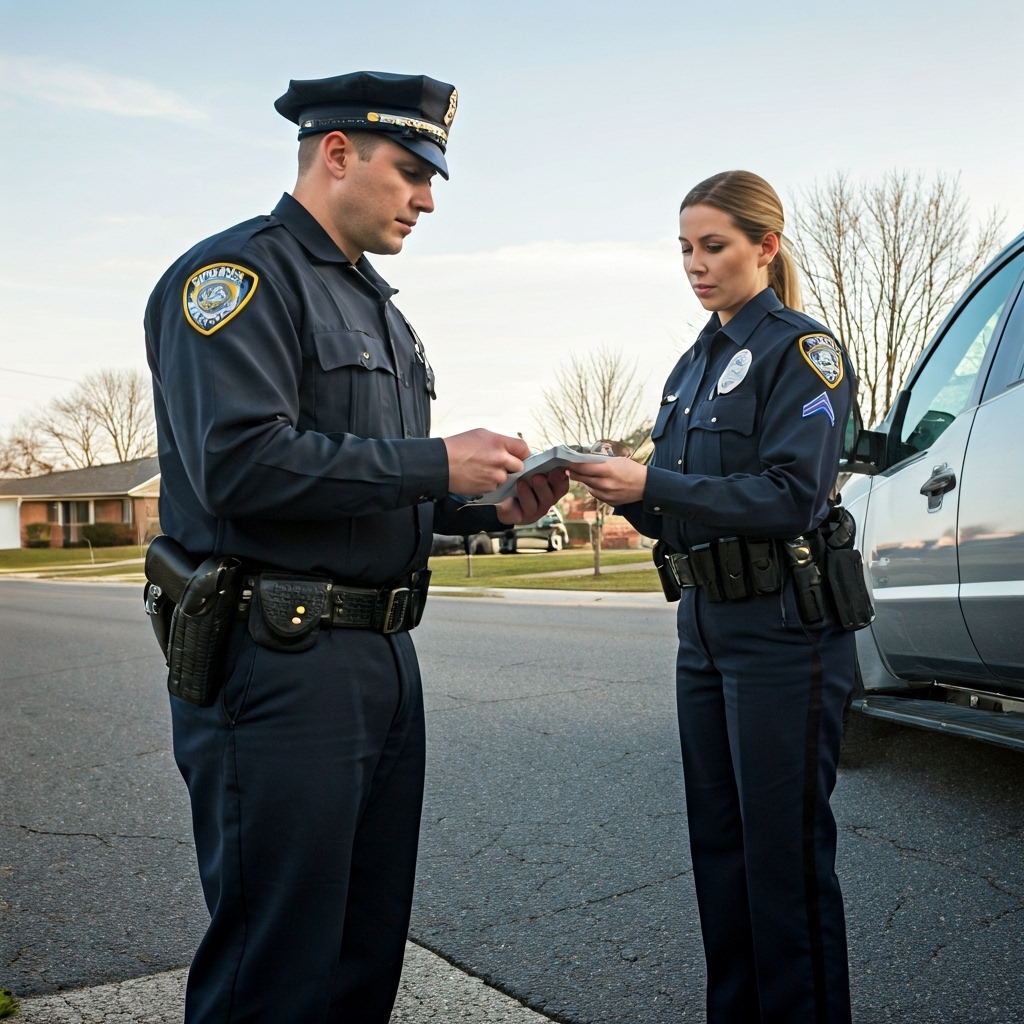 The court must consider both negligence and actual or likely endangerment. Conduct is negligent when it falls below the ordinary care a reasonably careful person would exercise under similar circumstances.
Because the allegation is a traffic infraction, the court uses traffic-infraction procedures rather than criminal procedures. A committed finding may be reported on a driving record, while any insurance effect depends on the insurer and the record reviewed.
Legal Criteria and Elements of the Offense
Under RCW 46.61.525, negligent driving in the second degree requires operating a motor vehicle negligently in a manner that endangers or is likely to endanger a person or property. The statute provides an affirmative defense when the conduct occurred on private property with the owner’s consent and in a manner consistent with that consent. The driver must establish that defense by a preponderance of the evidence.
A lane movement, signal issue, speed, road condition, or collision may be relevant evidence, but none automatically establishes negligent driving in the second degree. The court must evaluate the full circumstances and the statutory endangerment element.
In washington state law, there are different degrees of negligence. When it comes to 1st degree negligent driving, the law focuses on cases when there is substance use. The 2nd degree is for more general actions that show carelessness, but do not always involve substance use. This is important because this difference will change the type of punishment people can get and what will happen in their cases.
Common Examples and Scenarios
Everyday traffic infractions can lead to a negligent driving 2nd degree citation. These things may seem small at first, but they can add up and turn into a serious moving violation.
- Not using your signal during lane changes, or making a turn that is too abrupt or unsafe.
- Going through a red light, including times when you stop a little over the line at the intersection.
- Losing focus and drifting into a different lane or crossing over the yellow line by mistake.
- Driving too fast when it is icy, raining, or the weather is bad.
The officer’s report may describe observations, witness information, a collision, road conditions, or other evidence. At a contested hearing, the court—not the officer alone—decides whether the government proved the infraction.
Comparison with Negligent Driving 1st Degree
 Negligent driving in the first degree is a misdemeanor under RCW 46.61.5249. It requires negligent operation that endangers or is likely to endanger a person or property while the driver exhibits the effects of consuming liquor, cannabis, a drug, or a qualifying chemical. A misdemeanor may carry up to 90 days in jail and a $1,000 fine, although the actual sentence depends on the case.
Negligent driving 2nd degree is not the same. This one is called a civil infraction, not a crime. You might get fines and problems with your insurance, but there is no risk of jail. Knowing these things about negligent driving in Washington may help you see your choices if you ever get a charge.
Key Differences in Legal Standards
The rules for 1st degree and 2nd degree negligent driving are different under Washington law. The table below shows what sets them apart:
| Aspect | 1st Degree | 2nd Degree |
|---|---|---|
| Legal Nature | Criminal charge (Misdemeanor) | Civil traffic infraction |
| Requirement of Substance Use | Exhibits effects of consuming liquor, cannabis, a drug, or a qualifying chemical | No substance-consumption element |
| Maximum Penalty | 90 days jail + $1,000 fine | $250 statutory penalty under RCW 46.61.525 |
| Impact on Record | Criminal and DOL record consequences depend on the disposition and applicable rules | Most violations appear five years on a full DOL record; an insurance record generally provides a three-year history |
Second-degree negligent driving is a civil traffic infraction and does not include the substance-consumption element required for first-degree negligent driving. A committed finding may be reported on the applicable DOL driving record; the display period and other effects depend on the record type and final disposition.
Potential Consequences for Each Charge
The effects of first-degree and second-degree negligent driving are different. First-degree negligent driving is a misdemeanor. The general maximum for a Washington misdemeanor is 90 days in jail, a $1,000 fine, or both. RCW 46.61.5249 also requires an ignition-interlock device when the person has a qualifying prior offense within seven years.
Negligent driving in the second degree is a traffic infraction under RCW 46.61.525 and carries a $250 statutory penalty. A case involving a vulnerable user is governed by separate provisions and may carry additional consequences.
An attorney may review the cited statute, officer’s report, available evidence, and hearing options. The appropriate response and result depend on the facts and law.
Penalties and Impact of a Negligent Driving 2nd Degree Conviction
Negligent driving in the second degree is an infraction, not a misdemeanor conviction. A committed finding may be reported on the driving record, and any insurance effect depends on the insurer. DOL applies offense-specific and violation-count rules. An attorney can review the officer’s allegations, the applicable statute, and the available hearing options.
Fines, License Implications, and Criminal Record
RCW 46.61.525 sets a $250 penalty for negligent driving in the second degree. Washington DOL states that most convictions and violations remain on a full driving record for five years, while an insurance driving record generally provides a three-year history. Premium effects vary by insurer and policy.
Second-degree negligent driving does not carry jail as a standalone traffic infraction. A matter involving a vulnerable user is governed by separate statutory provisions and requires case-specific review.
Conclusion
Negligent driving in the second degree requires proof of negligence plus actual or likely endangerment. Review the citation, respond on time, and preserve relevant evidence. For help evaluating the allegation, consult a Washington traffic ticket lawyer.
Frequently Asked Questions
Is negligent driving 2nd degree considered a criminal offense in Washington?
No. RCW 46.61.525 classifies negligent driving in the second degree as a traffic infraction and sets a $250 statutory penalty. A committed finding may be reported, but any insurance effect depends on the insurer.
Will a negligent driving 2nd degree ticket affect my insurance rates?
A committed negligent-driving infraction may be considered by an insurer, but there is no reliable statewide percentage increase or universal premium period. The effect depends on the insurer, policy, driving history, and disposition.
Can I contest a negligent driving 2nd degree charge in court?
Yes. A driver may request a contested hearing and require the government to prove the infraction. An attorney may review the evidence and present relevant arguments, but no outcome can be guaranteed.
How does negligent driving 2nd degree differ from reckless driving?
Reckless driving requires willful or wanton disregard for the safety of persons or property. Negligent driving in the second degree requires a failure to exercise ordinary care that endangers or is likely to endanger a person or property. Neither definition should be reduced to whether the driver intended to cause harm.
What should I do if I receive a negligent driving 2nd degree citation?
After receiving a citation, review the cited statute and response deadline, preserve relevant evidence, and decide whether to pay, mitigate, or contest. Counsel can explain the options and represent the driver where permitted.
Call Now or USE contact form a for same-day response:




Joseph and Samir were professional, responsive, and helped get my ticket dismissed. Thank you both for your hard work and outstanding support. Highly recommended!

What stood out most was that he did not treat my case like just another ticket. He took my circumstances into account, was empathetic, communicated clearly, and made the process simple and stress-free. His pricing was also very reasonable, especially considering the level of service and peace of mind he provided.
Joseph truly advocated for me and fought hard on my behalf. He handled everything efficiently, appeared for me, and got my ticket dismissed. I am extremely grateful for the outcome and for how professionally he handled the entire process.
I would highly recommend Joseph Cutter to anyone dealing with a traffic ticket. He is knowledgeable, dependable, fair, and truly committed to helping his clients get the best possible result!



Responsive, honest about my options, and saved me money on fines + insurance. Highly recommend!